






The Impact of Inflation on the People of Huye in 2025: Struggles, Solutions, and Stories
- kubwimana dieudonne
- Apr 18, 2025
- 4 min read

Updated: Apr 19, 2025
The Rising Challenge
In 2025, the people of Huye District are facing the harsh realities of inflation. From soaring food prices to unaffordable transport fares, the lives of residents have been significantly affected. Known for its vibrant markets and educational institutions, Huye has now become a focal point for inflationary struggles. This article explores the diverse impacts of inflation on the community, including insights from local vendors, customers, and students. It also delves into the government’s responses and potential long-term solutions.
What is Inflation and How Does It Affect People?
Inflation refers to the general increase in prices of goods and services, leading to a decrease in the purchasing power of money. In Rwanda, inflation has surged to 9% to 11% in the first quarter of 2025, impacting daily life in profound ways.
The main drivers of inflation include global fuel price increases, currency depreciation, and supply chain disruptions. As a result, the costs of essentials—food, transportation, and education—have skyrocketed.
The National institutes of Statistics of Rwanda (NISR) indicates that Rwanda's consumer price index (CPI), main gauge of inflation increased by 7.4% year on year in January 2025 up from 6.8 % in December 2024 (The research undertaken in 10 February 2025).
The Strain on Local Markets: Vendors Struggle to Survive
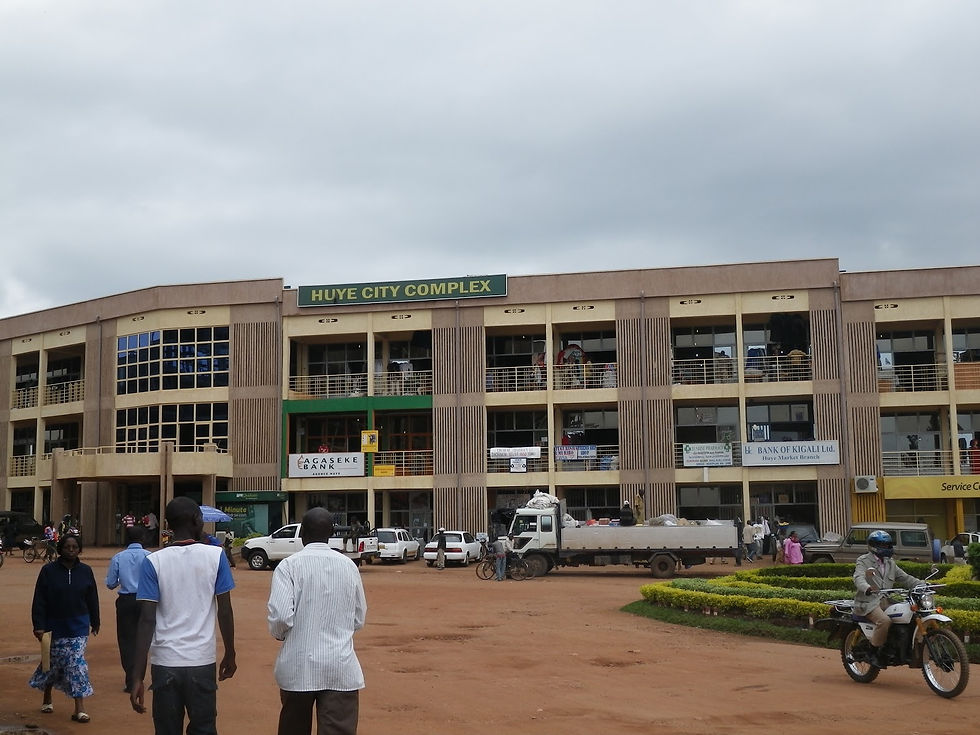
Huye City Complex Market in Huye has become a reflection of inflation’s immediate effects. Local vendors report a surge in the prices of fruits, vegetables, and staple foods. With supply chain disruptions and increased transport costs, vendors are finding it harder to maintain their profit margins.

Kwizera, A vendor at Ngoma Market, shared her story:
“Last year, a bunch of bananas cost 300 Rwandan Francs. Now it’s 600. I’m seeing fewer customers coming in because they just can’t afford to buy as much. I’m having to rely on credit, which is risky.”

The Impact on Customers: Struggling to Afford Essentials
For customers at Ngoma Market, inflation has forced many to buy less or even seek alternative ways to save. Eric, a regular market-goer, shared his personal experience:
Yvette, who preferred not to have her details made public, shared her experience: “Before, I could buy enough food for the whole week, but now I can only afford to buy a few items. My family is feeling it too—it's a tough time for everyone."
The rising costs have led customers to shift their buying habits, purchasing only the bare essentials.
The Impact on Students: Struggling to Make Ends Meet
Huye is home to the University of Rwanda campus, and students here are grappling with inflation’s effects. Transportation and school supplies have become prohibitively expensive for many students. Tina, a second-year student at the university, shared her experience:
“The price of food has increased so much. I’ve had to skip meals just to save money for bus fare. Some of my friends are even considering dropping out because they can’t afford the increasing costs.”
Many students are resorting to community-based savings schemes or student loans to survive the inflationary crisis. The situation has led to increased pressure on the student population, which was already struggling with limited resources.
Expert Insights: Understanding Inflation’s Root Causes
To gain further insight into the broader causes of inflation, we spoke to Prof. Jean de Dieu Niyomugabo, an economist at the University of Rwanda:
“Inflation in Rwanda is driven by a combination of external factors, such as global fuel prices, and internal factors like the pressure on local supply chains. A long-term solution requires boosting domestic production and reducing reliance on imports. In the short term, we must stabilize the currency and find ways to support vulnerable communities.”
His insights shed light on both the global and local causes of inflation, suggesting that tackling inflation requires a multi-pronged approach involving both policy and community-level solutions.
Government Action: Local Efforts to Mitigate the Impact
In response to the inflation crisis, local authorities in Huye have launched several initiatives to help alleviate the burden on residents. These include price monitoring programs, supporting local farmers, and creating community savings initiatives to help families better manage their finances.
Former Minister of Trade and industry of Rwanda, Dr NGABITSINZE Jean Chrysostome, back in the days shared this:
“We are working with local cooperatives to ensure that prices remain stable and focusing on stimulating the local economy. Boosting homegrown agriculture and creating market solutions will reduce dependence on imports and alleviate inflation pressures.”
What Lies Ahead for Huye?
Inflation in Huye is not just an economic issue; it is a human one, impacting families, students, vendors, and transport workers alike. While local authorities are stepping in with short-term measures, the long-term solution requires both economic reform and community adaptation. As residents continue to navigate these challenges, it remains to be seen how the local government and community can work together to recover from the crisis.
Sources
1. National Bank of Rwanda (BNR) – www.bnr.rw
2. National Institute of Statistics of Rwanda (NISR) – www.statistics.gov.rw
3. Interviews with Huye residents – March-April 2025
4. University of Rwanda, School of Economics
5. Huye District Official Website – www.huye.gov.rw


Comments